Increasing Animal Production in ASALs through fodder and pasture learnings
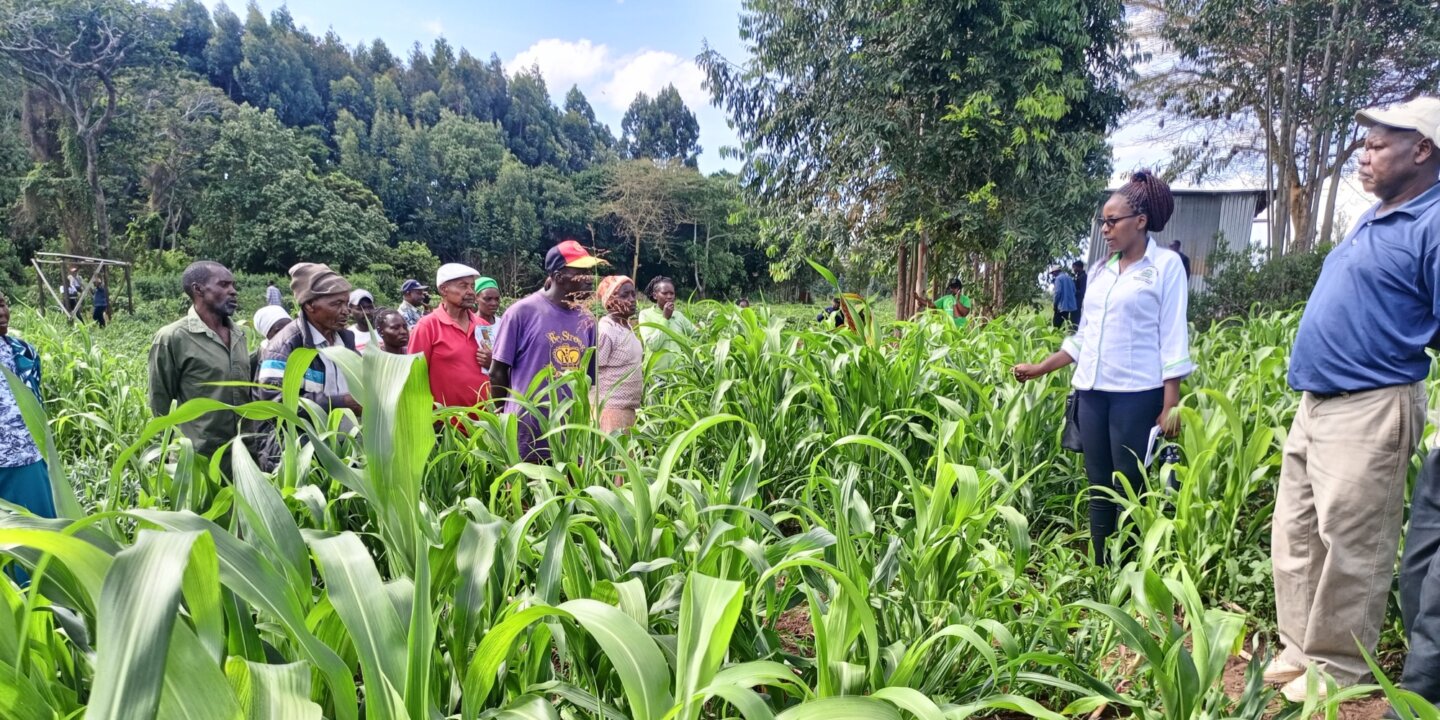
Pesi Buffalo SHG members in the group demo farm
The Arid and Semi-Arid Lands (ASAL) communities' livelihoods depend primarily on livestock as a source of income to buy food and meet domestic and social welfare. Livestock in these areas depends on natural vegetation, as cultivated forages are non-existent due to lack of water. Fodder and pasture production is increasingly being adopted to build resilience to climate change in Kenyan ASALs where livestock production dominates. It is not only embraced as a source of feed for livestock during periods of scarcity, but also as a means of rehabilitating degraded environments, and as a complementary source of income.
Despite the huge role animals play in the county and national economy, pastoral and agropastoral production systems still face a myriad of problems among them climatic, environmental, economic, and socio-political challenges.
To address these challenges, the LISTEN project has developed several pasture and fodder technologies and disseminated to different farmer groups. Some of the technologies include natural pasture improvement, range pasture establishment; pasture seed production, processing, and storage; range fodder/pasture utilization, conservation, and preservation. Despite the availability of various knowledge channels, most farmers do not have access to information on good agricultural practices (GAP) to enhance pasture and fodder production.
LISTEN project is promoting pasture/fodder through the formation of farmer groups, capacity-building trainings of farmers, and the adoption of demonstration plots for learning on the entire value chain of pasture and fodder.
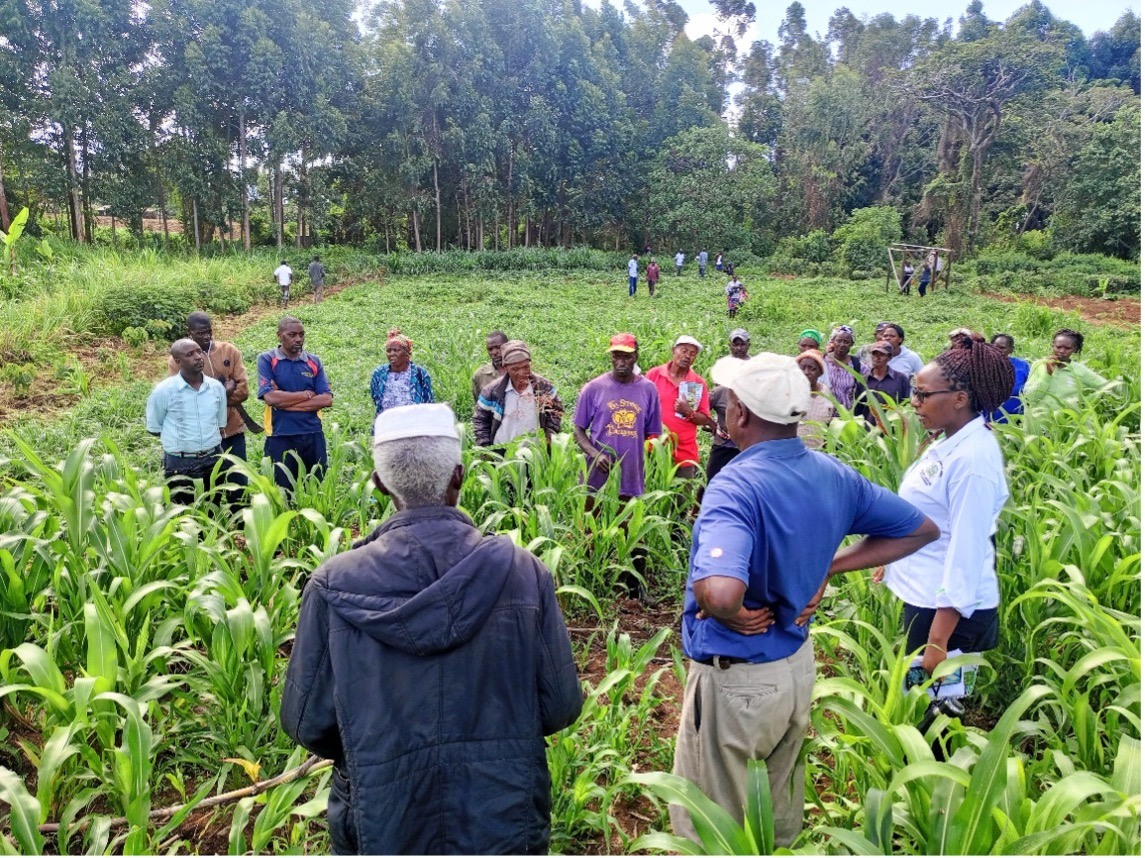
Members of Pesi Buffalo SHG learning on sorghum fodder at the group's demonstration farm.
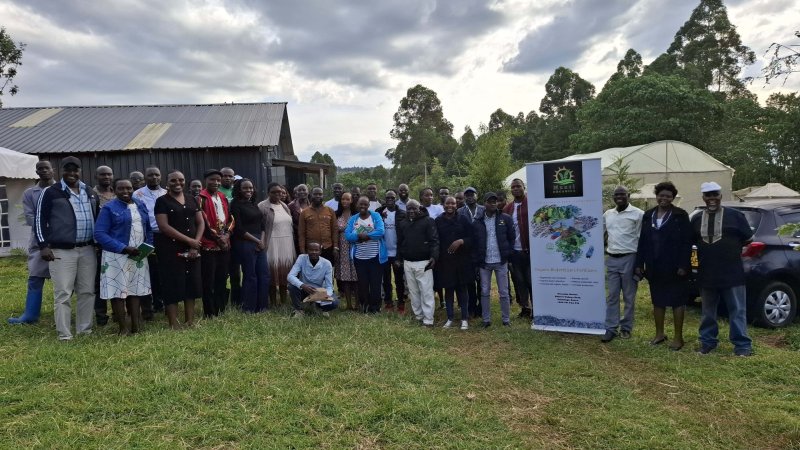
One group where the project has set up a variety of fodder and pasture demonstrations is the Pesi Bufallo Self Help Group in Salama Ward, Laikipia County. The demo plot is set up as a classroom, where different lessons are shared within the same setting ‘For Farmers by Farmers’. It has a variety of fodder, such as Napier grass, teff grass, Rhodes grass, sorghum, sweet potato vines, and brachiaria. The LISTEN project has helped the group understand the economic benefits and nutritional value to animals of different fodder and varieties.
We did not know the different varieties of fodder in the market, but now we know what to feed our animals. Within this demo farm, one has an opportunity to learn a lot, says Mr Peter Mburu, the chairperson of Pesi Buffalo Self Help Group.
The project also provides silage machines to support the farmers' harvest and make silage.
The LISTEN project is committed to working with smallholder farming communities to build resilience to climate change and enhance their capacity to respond to its effects. By partnering with groups like Pessi Buffalo and establishing integrated demonstration farms, the project equips farmers with the knowledge and tools necessary to adopt climate-smart practices and overcome the challenges of climate change.
Through this integrated approach to sustainable energy and water use in agriculture, we are contributing to improved food, water, and nutrition security for communities living in ASAL areas, and paving the way for a more sustainable future.
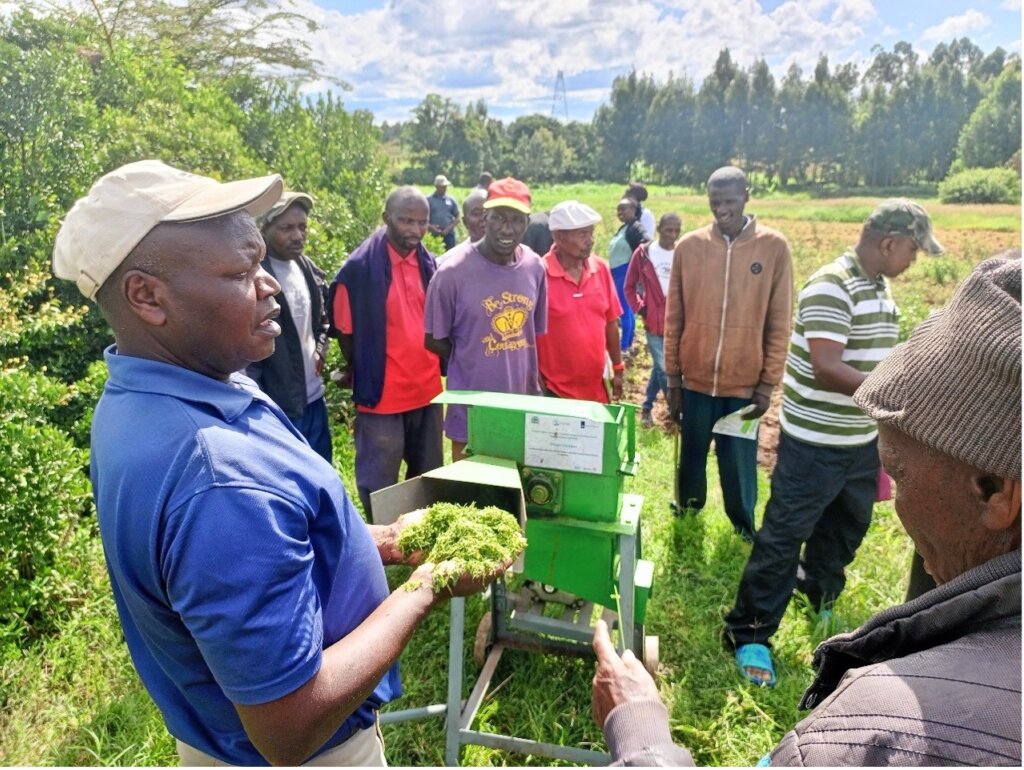
Members of Pesi Buffalo SHG learning on silage making
Contact Harold Odoro (LISTEN Communications) at [email protected] or Stephen Gichuki (LISTEN Project Manager) at [email protected]
About LISTEN:
LISTEN project contributes to strengthening the counties’ resilience to climate change by increasing food, nutrition, and water security. Funded by the Embassy of the Kingdom of the Netherlands in Kenya, the project is implemented by SNV in partnership with Frontier Counties Development Council (FCDC) and the Alliance for a Green Revolution in Africa (AGRA).
Author

Harold Odoro
Junior Consultant, Communications - LISTEN Project/SNV