Field training promotes the adoption of improved forages among agro-pastoralists
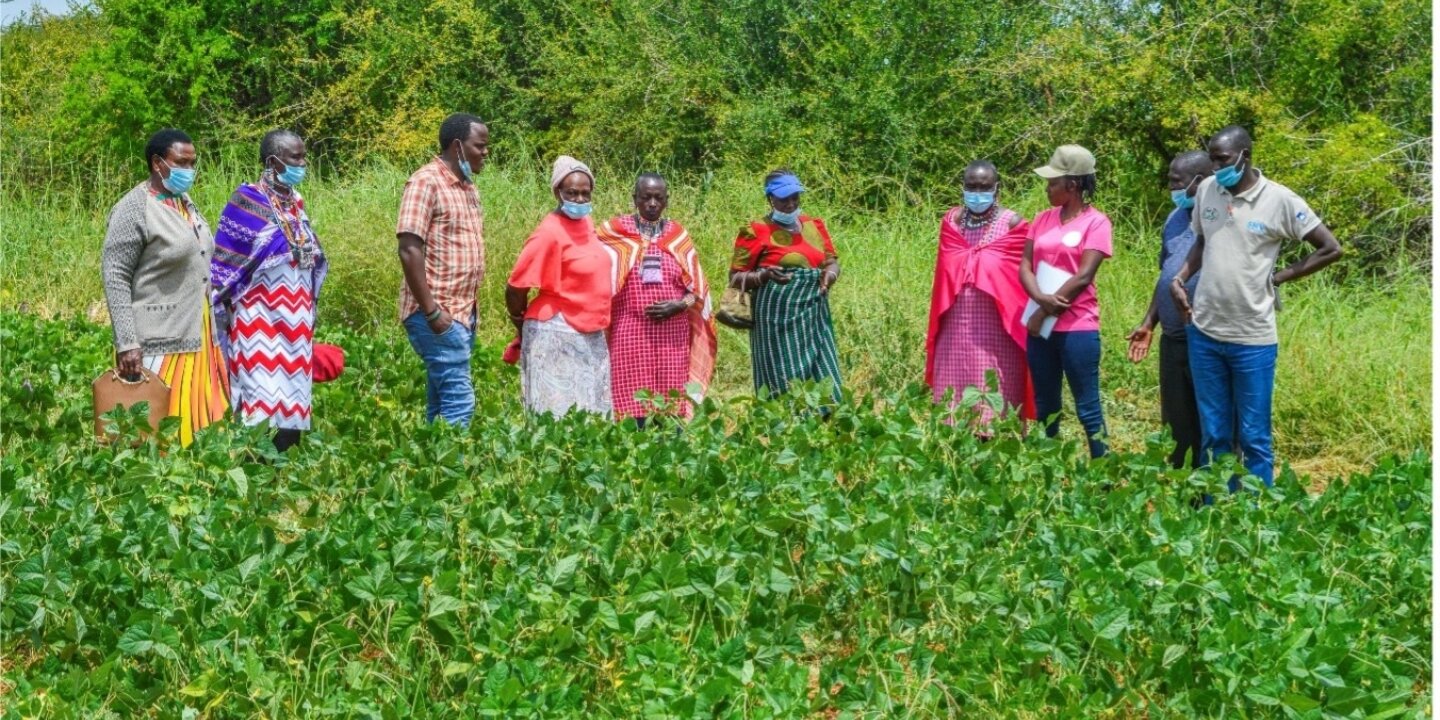
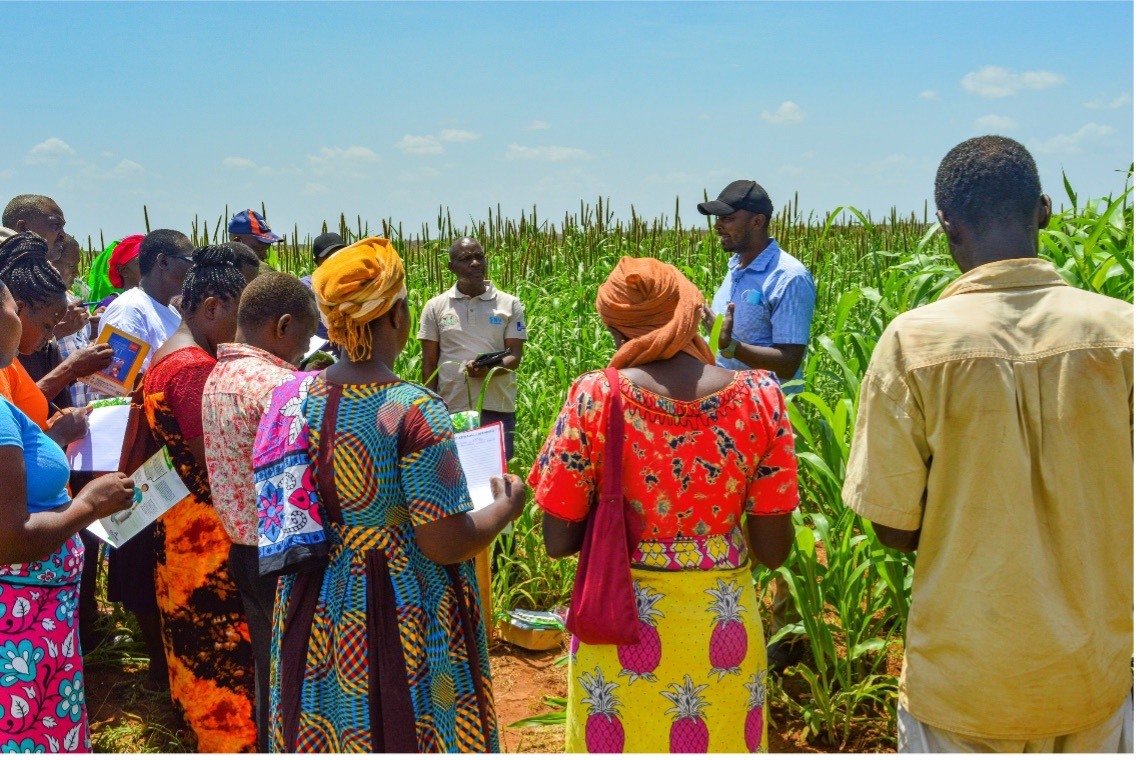
The Integrated & Climate Smart Innovation for Agropastoralist Economies and Landscapes In Kenyas ASALs (ICSIAPL) project in partnership with Kenya Agricultural and Livestock Research Organisation (KALRO) recently hosted field day training events in Kajiado and Taita Taveta counties. The major aim of these training sessions was to build capacity among various smallholder farmers on increased milk production strategies, including the use of grasses and legumes with high protein content for dairy feed.
"Through the ICSIAPL project, I have managed to train farmers on forage planting, utilization and conservation. I hope to reach at least 50% of dairy farmers in my region who will adopt these essential practices," says Mirriam Mate, Trainer of Trainers and an animal health assistant from Kajiado County.
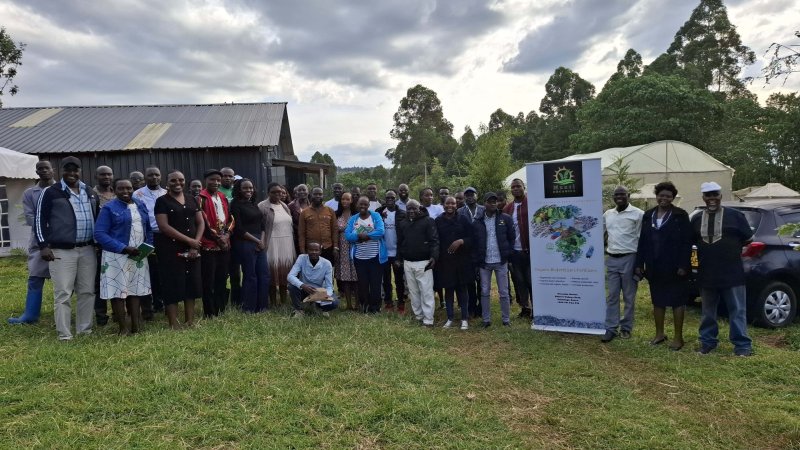
All the trainings were conducted in collaboration with livestock and agricultural officials from host counties. Multiple demo sites were set up and farmers were provided with step-by-step training on harvesting, top dressing, scaling up using splits, dry season planning, chopping fodder before feeding as well as the importance of a balanced diet for cattle. Training of trainers (ToTs) responsible for dairy, fodder, and post-harvest management, will also provide their farmers with fodder propagation and production advice, inputs, and other services. Participating farmers have formed farmer groups of at least 25 farmers each to improve activity linkage/layering, training, and access to market system services.
SNV has created several simple, effective, and practical sets of training guides for trainers of trainers and farmer training. At least 5000 farmers have already begun implementing improved practical trainings based on the structured training guides. The involvement of seed companies including Advanta Seeds was critical in establishing a connection and enhancing the knowledge dissemination to farmers.
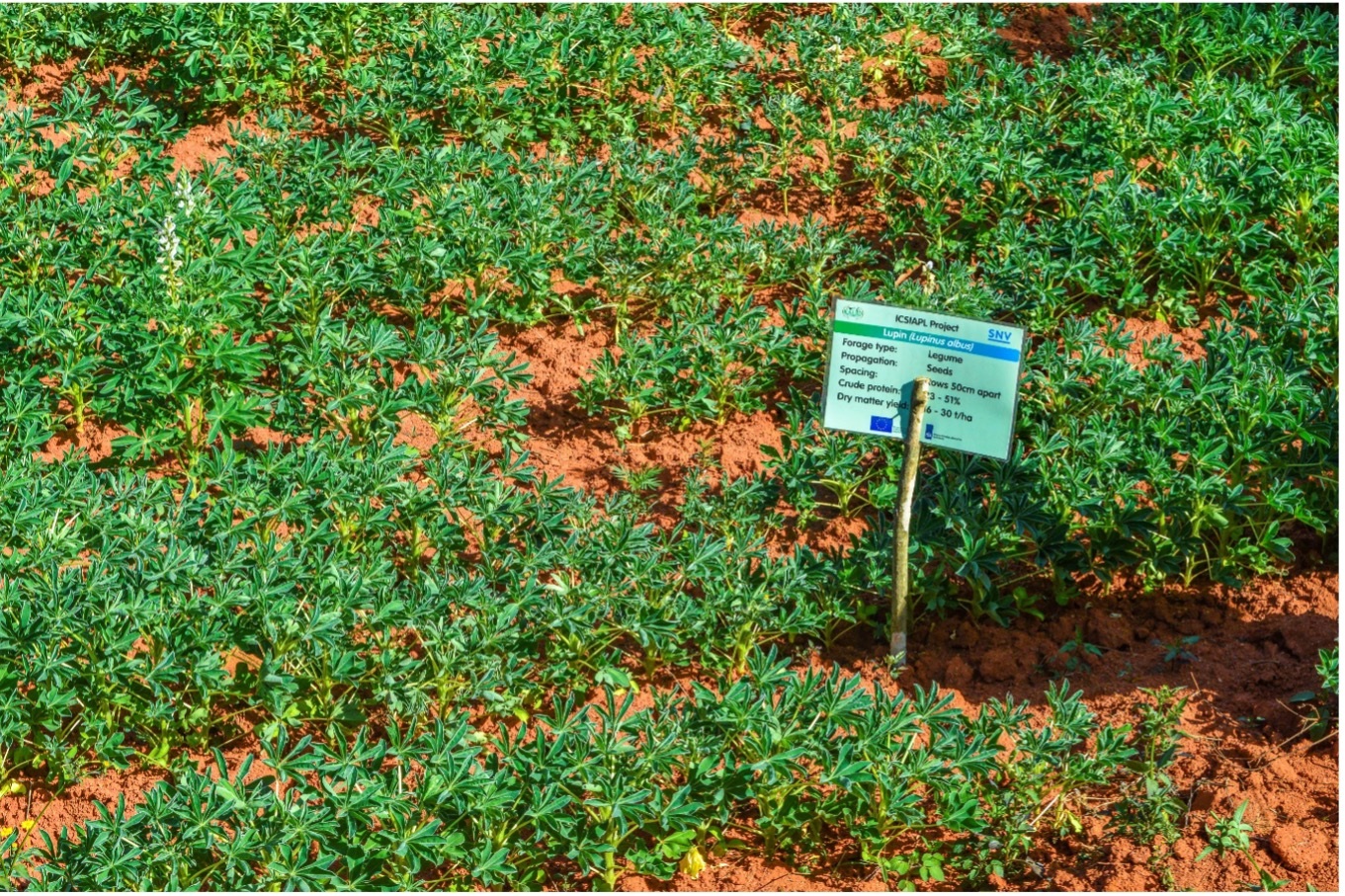
I cannot overstate the importance of finding good farmer trainers for individuals interested in pursuing an agricultural education. The practical training, we have gone through on the importance of crude protein content on dairy cattle feed can propel a new dairy farmer further and faster than any other training I've witnessed says Mathias, a smallholder farmer in Wundanyi.
Patrick Mwaisakenyi is a ToT from Taita Taveta County's Wundanyi sub-county. He works for Tagho Dairy Farmer Cooperative Society Limited as a Dairy Farmer Assistant. “A major challenge faced by dairy farmers that fail to acquire the desired amount of milk production is due to lack of recommended grasses and legumes and particularly in terms of protein content, because they mostly feed nappier grass to their cattle without mixing with legumes as required. Therefore, it was a great initiative for SNV and KALRO to establish a demo plot for a training that focused on establishing new fodder varieties not found in Taita Taveta County and particularly in the Wundanyi subcounty. Being in an area where the mainstream fodder species are Nappier, Bracheria, Calliandra, and Lucerne, this training was extremely beneficial to me because it concentrated on management practices such as land preparation, planting, and fertilization” He says.
Contact Bibiana Wanalwenge (Communication Coordinator - SNV Kenya) at [email protected] or Julius Rono (ICSIAPL Project Manager) at [email protected]
The Integrated & Climate Smart Innovation for Agropastoralist Economies and Landscapes (ICSIAPL) in Kenyas ASALs focuses on the livelihoods of agro-pastoralist communities through improved forage production and livestock husbandry.
Author

Bibiana Wanalwenge
Communication Coordinator, SNV Kenya