Year-Round Fodder Availability for Cost Effective Feeding
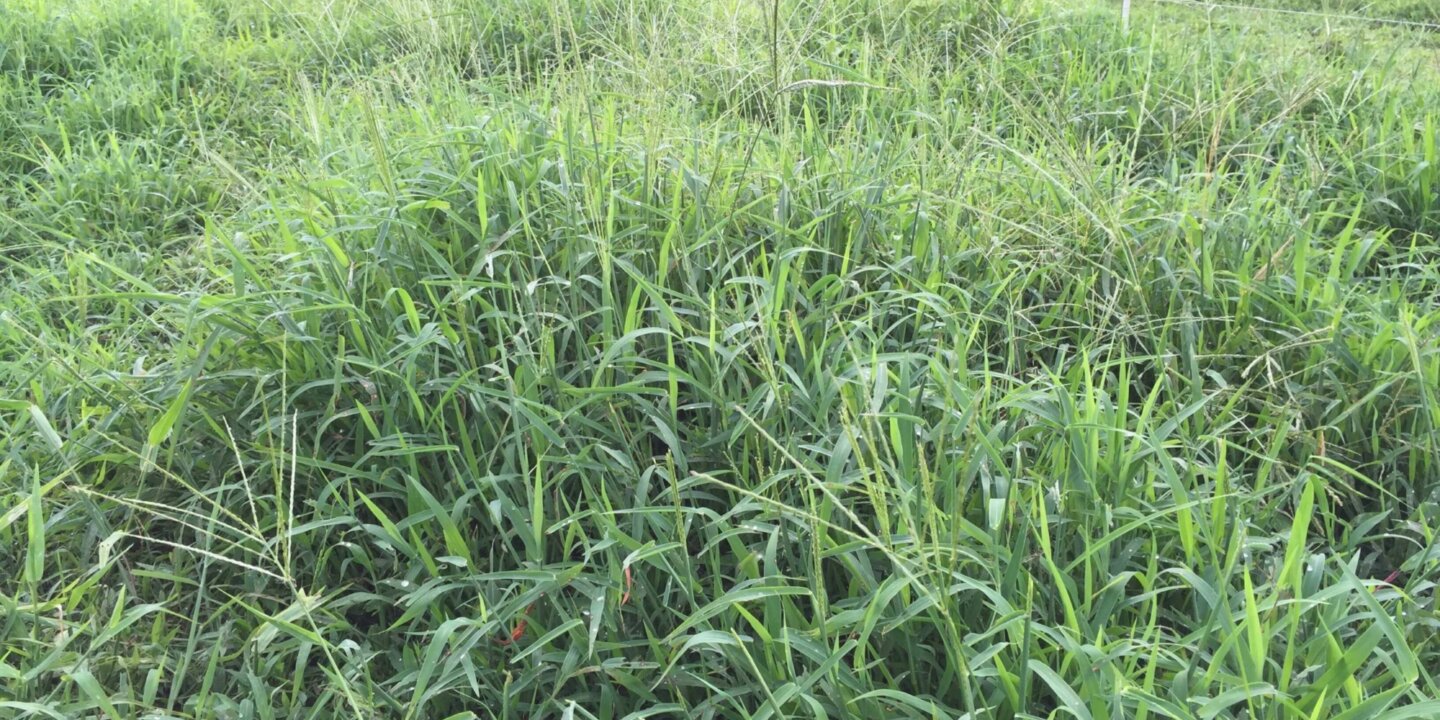
The key route to produce more milk is through more and better forage, resulting in healthier cows with consistent milk production and cost-effective feed costs. In mixed crop-livestock farming systems, this will improve farmer income, contribute to climate resilience and reduce the carbon and environmental footprints. Year-round quality fodder combined with an appropriate breeding strategy is the best way to supply the market while coping with the changing climate conditions. Based on this vision, NEADAP works on a comprehensive set of innovations in the field of forage and feeding. In this newsletter article we present some of our recent work.
Working Paper for NEADAP Approach for Year-Round Fodder Availability
In this study smallholder farms who are members of BAMSCOS cooperative Union are mixed crop-livestock farmers and mostly less than 3 hectares in size. On these farms the farmers produce food crops and keep more dairy cattle than the remaining land supports. However, livestock plays an import role in the livelihood of people in East Africa. This implies that many farms are too small, even when best practices are applied, to produce enough fodder for their cows on their own farm, all year round. To tackle this problem NEADAP has developed, with support of CIAT and others, the so called three-step approach to help farmers and farmer cooperatives realise enough fodder for their cows. This approach will have a positive impact on their farm income, herd health and production level, soil fertility and the farms ecosystem. The cooperative and processors will benefit from increased and regular milk supply. The first step is improving forage production on farm, producing more forage per acre of higher quality , in such a way that it fits in (e.g intercropping, crop rotation) and strengthens the farming system, the second step is linking nearby non-dairy farmers with dairy farmers who can produce cost effective fodder for the dairy farmer on (part) of their land; The third step is complementing the fodder shortage on the dairy farms with fodder sourced from commercial fodder producers often at a further distance and organised by the cooperative. As a pilot, NEADAP is cooperating with the BAMSCOS Cooperative Union in Kenya. This started with an assessment of the present situation and the potential benefit of all- year-round forage availability on dairy farms. This assessment resulted in the working paper NEADAP APPROACH FOR YEAR-ROUND FODDER AVAILABILITY which can be downloaded from the following link working paper. For the PowerPoint presentation see the following link.
The key findings of this working paper are:
- The average herd size of the 22 farms was 5 dairy cows, 3 female young stock and 1 male young stock.
- There is a wide variation in forage yields per acre and cost of forage per tonne (and tonnes of dry matter) on the 22 farms in the study. Some farms own forage production (as hay or silage) is even more expensive than forage available in the market.
The quality of forage is mostly low because forages are not harvested and fed at the stage of maturity when the nutritive value of the crops is highest resulting in low feed intake, waste (refusals), low nutrient-dense forages and less productive cows. Milk production per cow can be increased from the present 2000 litres per lactation to 3700 litres per lactation with well-fed, healthy cows.
- In the current situation, it was not possible to calculate the average margin above feed cost accurately, because historic data were not available. The data collected during the farm visit indicate that the margin above feed cost varies a lot among the farms and is in general on the low side. Based on current data and assuming lactating cows are well fed and in good body condition at the start of the lactation the realized margin above feed cost can be KES 86.480 per lactating cow per year if good agronomic, preservation and feeding practices are implemented.
- The study shows that on-farm forage production is, for the farmer the cheapest and therefore most preferred option to maximize farmer income (margin above feed cost).
- Soil health and fertility require some corrective measures on most farms, with emphasis on increasing soil organic matter, but this is not a limitation for improved yields and better-quality fodder.
- On well-managed farms, in the current market (milk and feed prices) it is estimated that 15-20% of the fodder needs on the farms can be bought in the market, without affecting the gross margin above feed cost too much in a negative sense. Higher amounts will go at the expense of profitability.
- The study confirms the common rule of thumb, that an acre of forage, under good agronomic practices can sustain 1 dairy cow and two followers all year round.
The results of the study have been presented and discussed with the board and management of BAMSCOS cooperative Union, extension staff and the farmers who participated in the study and currently, discussions are ongoing on a ‘first set of interventions’ working towards all-year-round availability of cost-effective good quality fodder when feeding dairy cows.
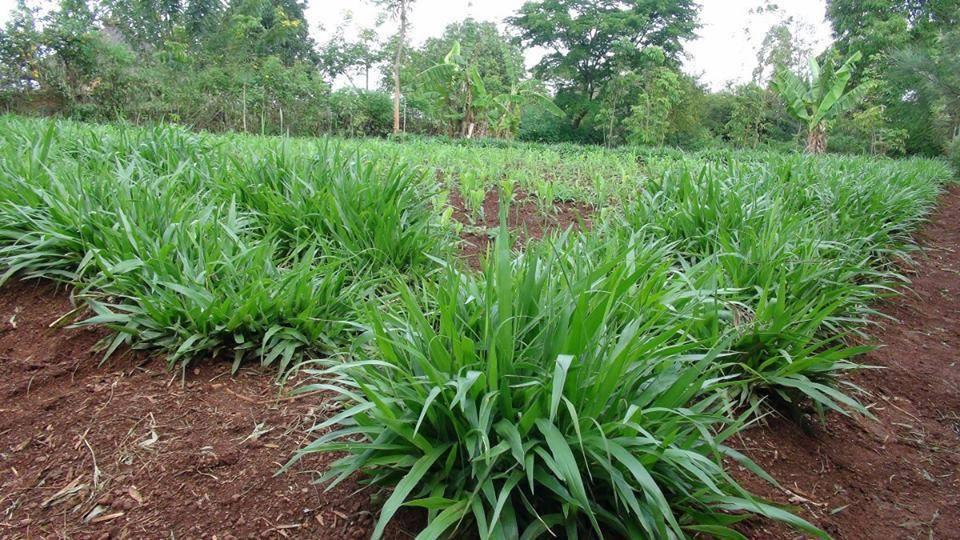
Working Paper “Getting the incentives right: Realising accessibility and affordability of improved and suitable forage seed varieties and a vibrant forage seed sector in East Africa”.
Awareness that seed is the key to good quality feed is increasing and with it the demand for forage seeds, seedlings and cuttings in East Africa, however in most parts of East Africa farmers find it difficult to get reliable, good quality seed material. At the same time seed companies indicate that in absolute terms the demand for forage seeds still relatively small compared to the demand for food crops, like maize, potatoes, or vegetable seeds. In this working paper an overview is presented of the challenges, different modes of stimulating market development are presented, with a first qualitative ranking and reflection. In the annex our vision on a vibrant forage seed sector is presented. We hope that this working paper, to which many stakeholders contributed, can be of help in improving access and affordability of forage seeds and the dialogue on strengthening the forage seed sector in East Africa. We welcome remarks and suggestions on the working paper.
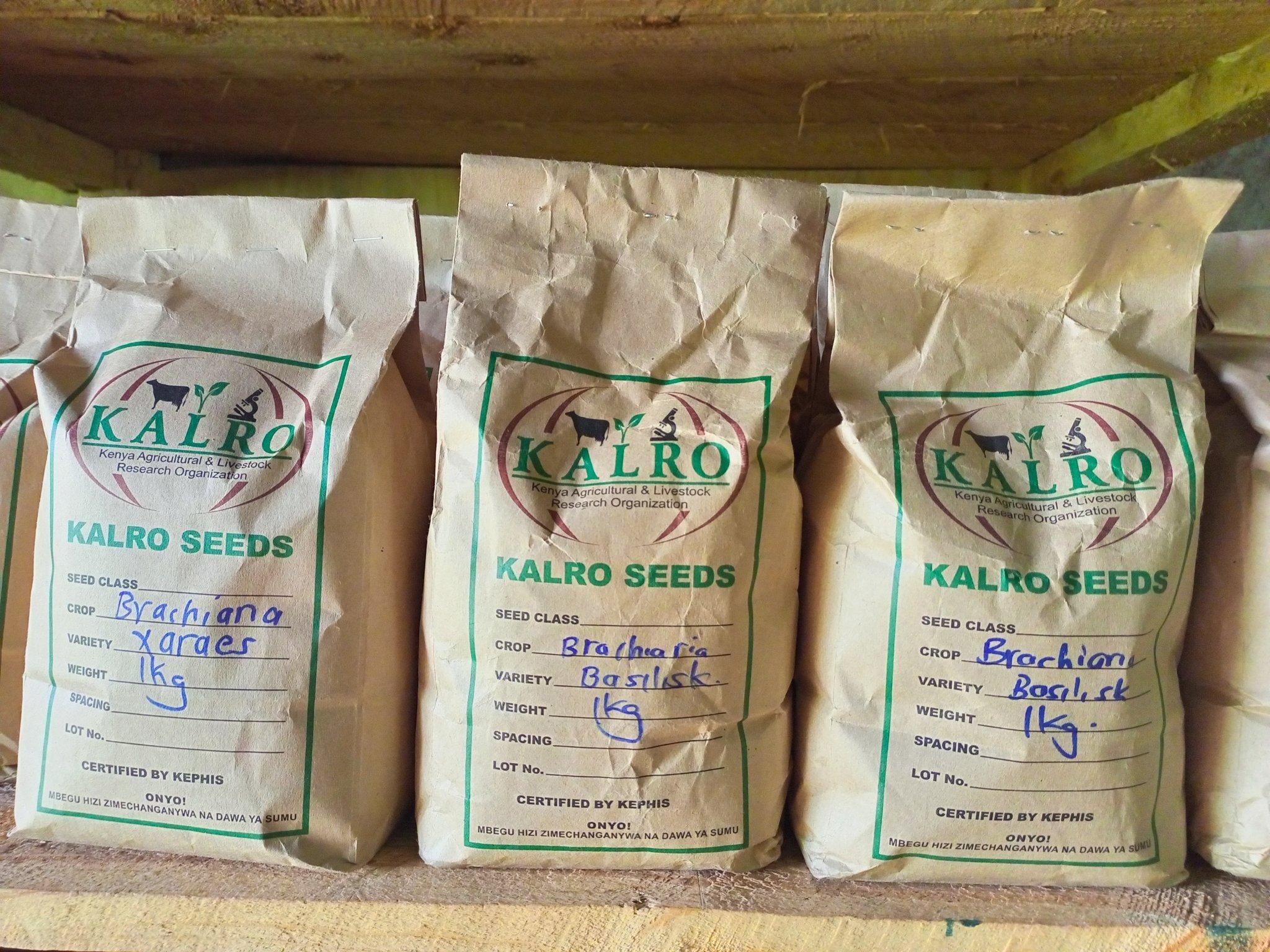
Stimulating the development of a vibrant forage seed market.
- In 2022 SNV Kenya (ICSIAPL project) and NEADAP in collaboration with CIAT/Bioversity, KIT, ILRI, KALRO, and KEPHIS initiated a trajectory to make an inventory of gaps in the forage regulatory framework with recommendations for improvements, both at operational and policy level.
- To enhance easier registration of novel and improved forage seed varieties and diversify choice and availability of forage seeds for farmers in Kenya.
- During this trajectory interviews with seed companies and workshops with relevant stakeholders from the private and public sector, research and development organisations, which resulted in a Working Paper titled: “Enhancing Farmers Access to Improved Forage Seed in Kenya: Recommendations for policy change and operational advancement of the regulatory framework for forage seeds”. The policy issues addressed in the Working Paper will be extracted and summarized in a Policy Brief.
- Recently on 23rd April 2024, a Forage Working Group was formed with representatives from the Kenya government, private sector, academia, international and local research institutes and SNV, to validate the final drafts of the Working Paper and the Policy Brief on 31st of May and to develop a roadmap for the implementation of the Working Paper’s recommendations. We will keep you updated and shall share a link to the 2 documents after their formal release in June.
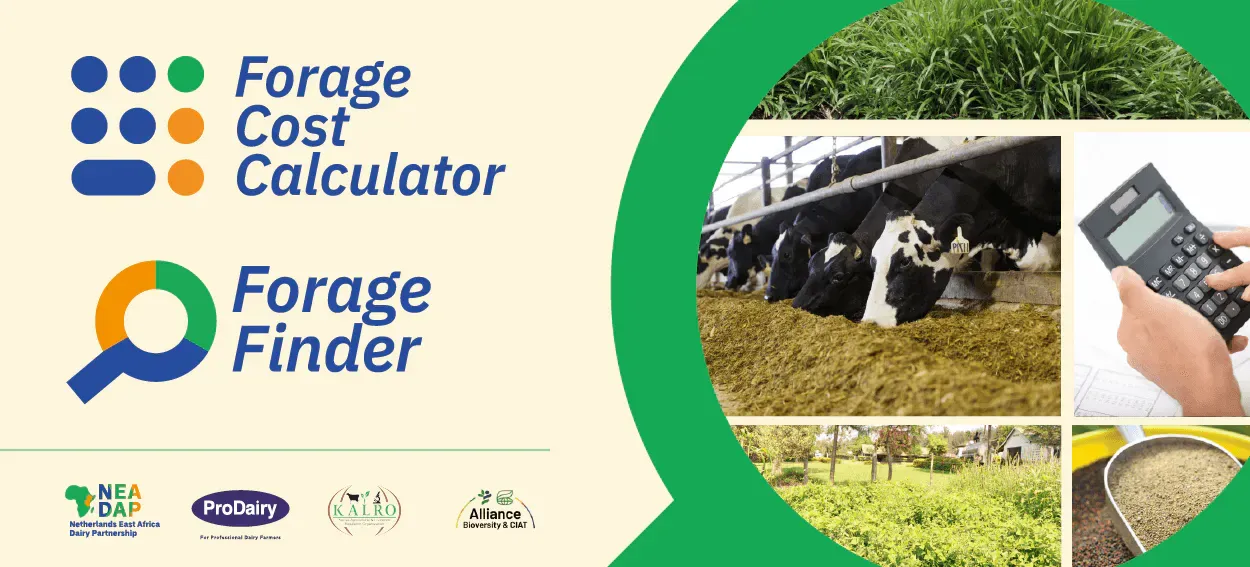
Forage Finder and Forage Cost Calculator
In our previous newsletter was presented the Forage Finder, the tool enables to select the suitable forage varieties for different agroecological situation and different dairy farming systems in Kenya and Ethiopia, but also useful for other East African countries. On the Forage Cost Calculator was also presented in the last newsletter, we are now working on further improving the user friendliness, we will let you know when it ready for use.
Kindly Contact, Geert Westenbrink at [email protected]
Authors

Jos Creemers
Managing Consultant, ProDairy E.A. Ltd

Anton Jansen
Business Innovation Advisor ICSIAPL Project