The sweet solution for fruit loss and waste
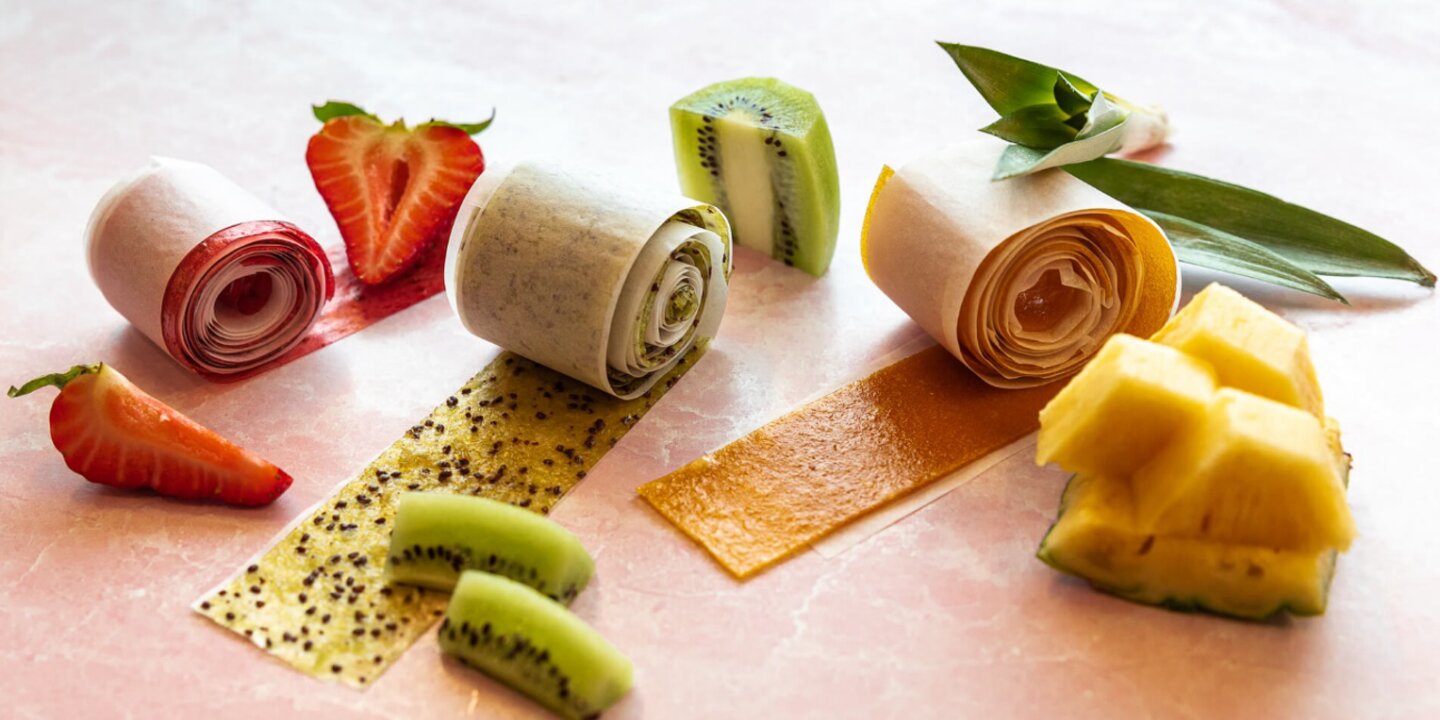
Fruits leathers: Curtesy of modernistpantry.com
Martha Waithera Kuria is a passionate and experienced food scientist. She currently works as a technical editor at Milling Middle East and Africa Magazine*. She also has an intrinsic passion for addressing critical issues such as food waste, malnutrition, and child nutrition. Martha is a participant of the 2024 food systems e-course from Kenya, and her blog informs about an innovative solution to reduce fruit waste and achieve child nutrition.
The food systems e-course was a revelation for me, it provided a deeper understanding of the triple major problems facing our food systems: environmental degradation, food insecurity, and economic inequality. It also ignited my passion for communicating the most pressing global challenge – food waste. Coupled with my passion for child nutrition, it led me to write this blog.
In my study, I stumbled upon a fascinating concept: “fruit leathers,” as a method to reduce food loss. When I read about this, my heartbeat quickens a bit. You are now curious too, right? It is a simple yet ingenious way to transform perishable fruits into long-lasting, nutritious snacks.
One fruit a day was not a problem when growing up in rural Kenya. We could pass by forests full of wild fruits like gooseberries, pawpaw, and thorn melon on our way to and from school. However, deforestation and urbanisation are the reality for the new generation of school-going children. For many of them, having one fruit is like a miracle on a lucky day.
Fruits, as we all know, are nature's treasure trove of vitamins and minerals. However, their inherent perishability poses a significant challenge, particularly in regions where tropical fruits dominate. Imagine this: mountains of ripe mangoes, bananas, and papayas during peak harvest times, only to see much of it go to waste due to the sheer volume and limited shelf life.
This is where ‘fruit leathers’ step in as a game-changer. Fruit leathers are essentially dehydrated and concentrated fruit purées, compacted into flexible sheets. If produced commercially, this process not only extends the shelf life of fruits but also retains much of their nutritional value, and the interesting part, it reduces bulkiness. By converting excess fruits into leathers, we would be tackling post-harvest losses head-on and creating a sustainable solution for including fruits in school feeding programmes year-round.
For school children, this means access to a reliable source of vitamins and minerals throughout the year, regardless of fruit seasonality. It's a win-win situation: reducing losses, more sales for farmers, and promoting healthier eating habits among the younger generation. So, next time you reach for a snack to include in your school feeding programme, consider the sweet revolution happening in the world of fruit leathers. It is more than just a tasty treat; it is a step towards a healthier, more sustainable future.
--
*Milling Middle East and Africa Magazine is a prime publication for grains/milling, snacks, baking, animal feed, pet food, and the emerging plant-based foods industry, to inform key industry stakeholders of the investment opportunities, new technologies, and market trends in the grains-based industry.
Author

Martha Waithera Kuria
e-course participant