NEADAP lessons learned
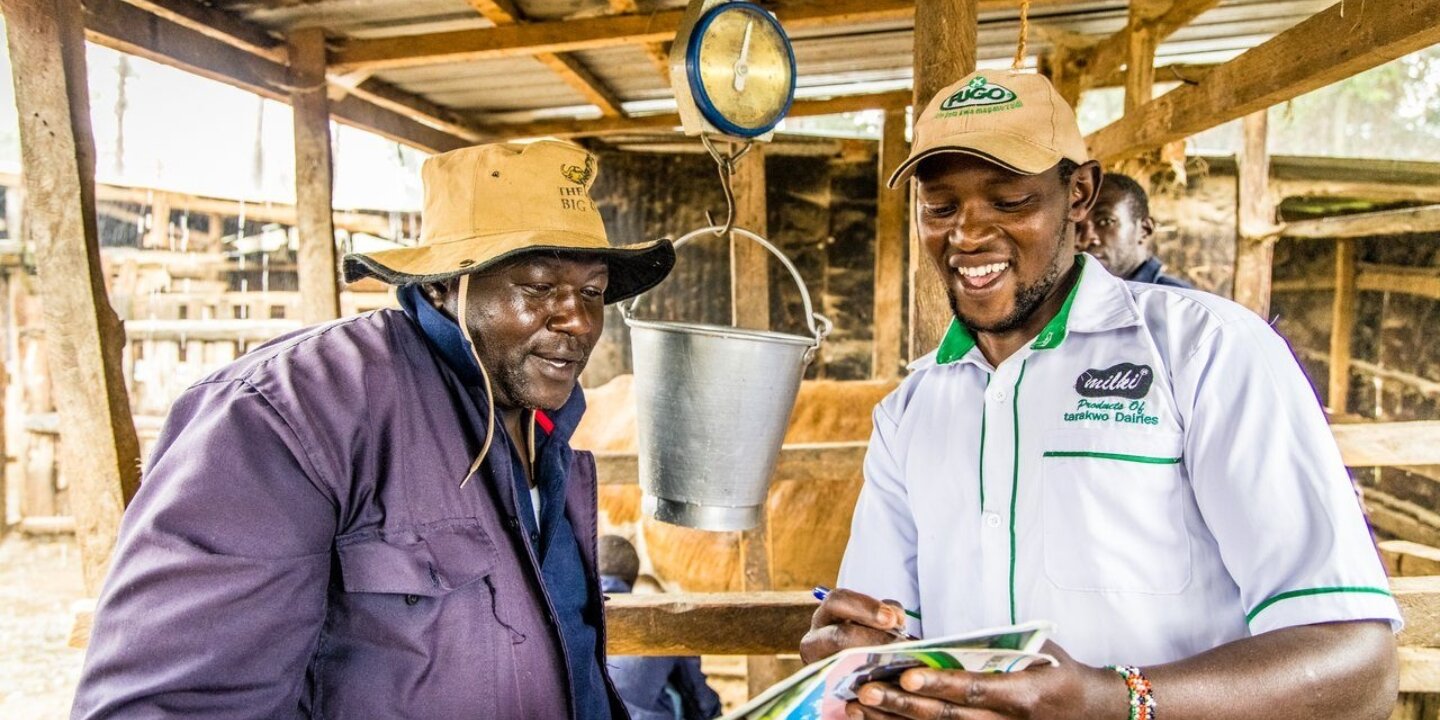
As you may know from the previous issue, the NEADAP partnership is gearing up for a new phase. To ensure our efforts continue to empower East Africa's dairy sector, we're seeking insights from a wider range of dairy professionals like you. We have conducted a survey and interviews to collect lessons learned. This newsletter is appreciated as a key communication platform, and we believe its strength lies in its collaborative nature. Here's how you can contribute to sharing and shaping NEADAP's future:
Neadap survey
At our request, Fair and Sustainable Consulting conducted a survey with newsletter subscribers. First a big thank you to the 103 dairy professionals (out of 1550+ subscribers) who participated! Your voice matters. Overall conclusion is that many dairy professionals appreciate news and technical updates that can help them in their jobs. We have included your feedback in our lessons learned. Read below!
Lessons Learned: Shaping a Sustainable Future Together
NEADAP partnership concluded its second phase (2021-2023) and is currently mobilising resources for a third phase. In support of the proposal development, the Netherlands Food Partnership (NFP) invited Fair and Sustainable Consulting (F&S) to carry out a lessons-learned exercise of the second phase and reflect on the way forward towards a sustainable dairy sector in East Africa.
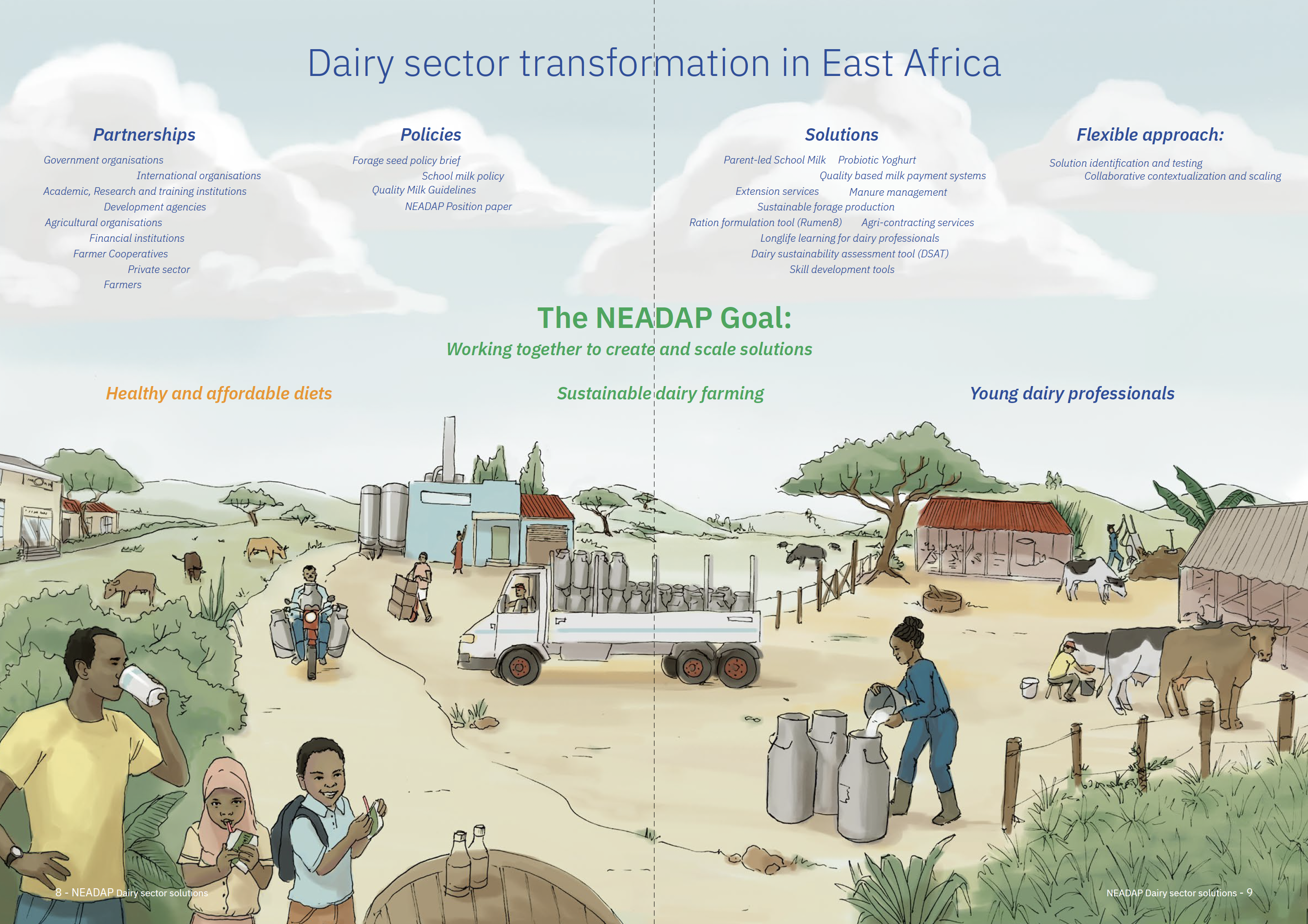
NEADAP worked on a broad portfolio of dairy solutions as shown in this magazine.
NEADAP’s beneficiaries are dairy professionals and their organisations in East Africa. In the new phase, more attention is needed for planning the interventions and monitoring the effects for different groups of stakeholders, including smallholders and youth. The monitoring of results needs extra attention in the context of a knowledge- and networking partnership such as NEADAP.
The NEADAP governance greatly benefitted from a dedicated secretariat for regional coordination and communication. The mission/vision on coordination and brokering should be clearly defined and communicated throughout activities and publication of knowledge- and information products.
NEADAP would benefit from more structure in the organisation regarding roles and, considering a membership structure and/or national coordination partners. A recommendation is to establish a steering committee with representation of the Netherlands and East African organisations, broadening leadership and vision that are essential for the further development and sustainability of NEADAP. This requires a clear definition of roles and responsibilities for management, coordination, partners and members.
NEADAP as a knowledge exchange network would leave piloting and implementation to partners within their programmes. This would support NEADAP’s separate identity and communicate a clear mandate. The involvement of East African partners supports the networking function, the localisation and the effectiveness of country activities. Knowledge sharing may benefit from regular networking and learning events in the region.
Join the Conversation!
The observations and recommendations from the F&S study present us with exciting opportunities. Should NEADAP primarily focus on knowledge exchange and networking, or should it also engage in implementation? Should our priorities be technical solutions or directly benefiting stakeholders?
We firmly believe that the answers to these questions lie in open dialogue with our existing and potential partners. We invite you to share your thoughts!
Share Your Expertise: Become a Contributor!
Do you have experiences or knowledge to share about the East African dairy sector? We encourage submissions on a variety of topics, including:
- Successful dairy solutions you've implemented
- Challenges faced by East African dairy professionals
- Ideas for fostering regional knowledge exchange and collaboration
By sharing your insights, you'll help us shape NEADAP's next phase to better serve the needs of the East African dairy community. Together, we can ensure the NEADAP continues to be a valuable partnership and community for shaping a sustainable and thriving dairy sector in East Africa.
Write to Wim Goris at [email protected]
Author

Wim Goris
coalition builder