It takes many to function
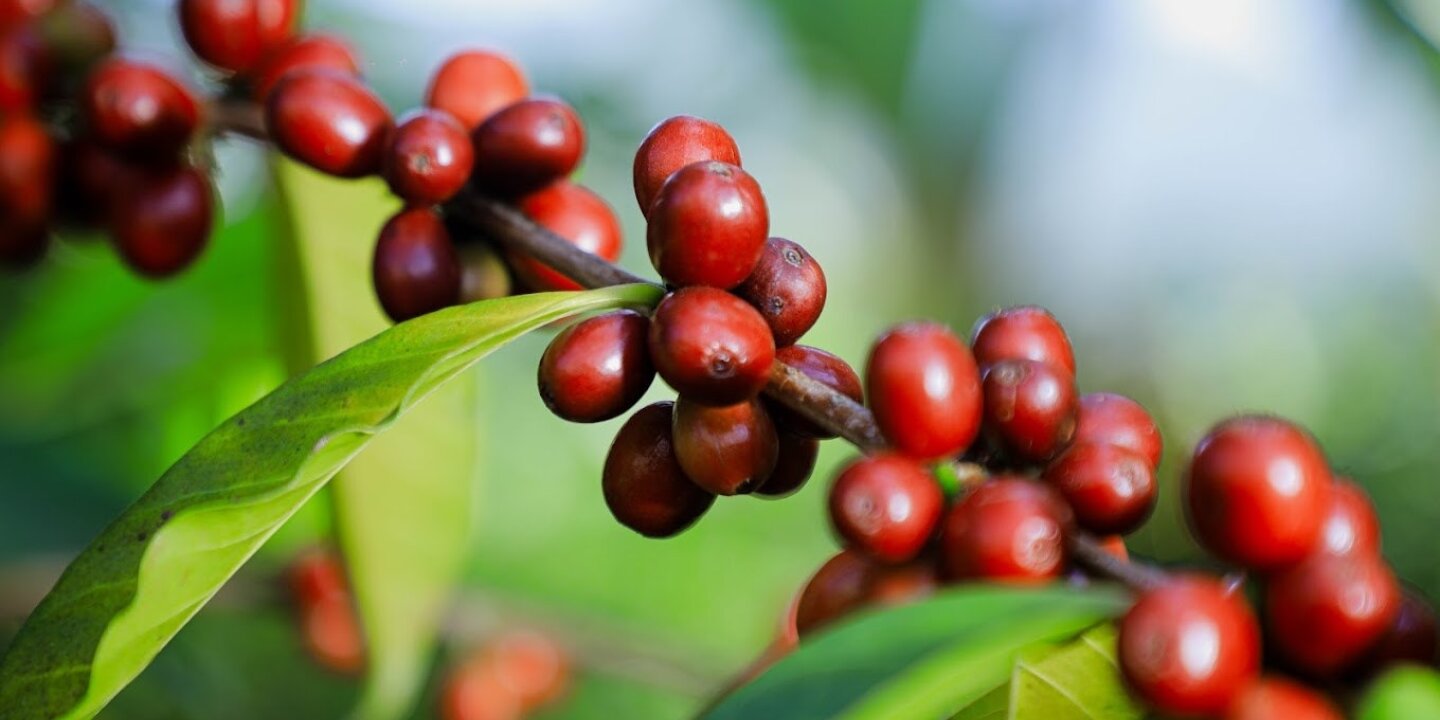
Ethiopia’s Yirgacheffe coffee, uniquely known for its sweet flavor and aroma, grows in Gedeo (Picture source: Yirgacheffe Coffee Farmers Cooperative Union)
Fitsum Hailemariam is a lecturer and researcher at Dilla University, and Head of Food Engineering Department. He is a 2024 food systems e-course participant from Ethiopia. Reflecting on existing practices and adequate opportunities for transformation, he narrates the potential approach and his aspiration for a more resilient and sustainable food system in Gedeo zone, where his university is located.
Nestled in southern Ethiopia, lies the Gedeo zone, which boasts a unique agro-ecology. Gedeo is famous for its high-quality Yirgacheffe coffee. Indigenous knowledge and cultural practices have shaped a remarkable food system around “Enset” or false banana. Enset is a versatile plant providing food, fiber, and construction materials and forms the base of a mixed farming system. This system deserves to be recognized by the FAO as “Globally Important Agricultural Heritage System (GIAHS)”. However, the region is also facing the challenge of high population density, which strains resources and leads to land scarcity and food insecurity. This is where a well-functioning food system becomes crucial.
As a lecturer and researcher at Dilla University, I am passionate about improving Ethiopia's food systems. My previous experience spans various sectors in the agroindustry, from wastewater treatment in coffee processing, optimizing production processes in flour mills to technical guidance to agro-processing and the Ethiopian Commodity Exchange (ECX). It has provided me with insights into the intricate links between production, processing, market access, and consumer behavior in the food system. My experience and my position at the Food Engineering Department of the university now enable me to contribute to the transformation of the Gedeo food system.
As the e-course underlined, food systems play a critical role in ensuring food security, economic growth, and sustainability. In the Gedeo zone, this translates to empowering smallholder farmers with improved crop varieties and cultivation practices – knowledge I actively share through university extension programs. Imagine a future where farmers can leverage better post-harvest handling techniques, minimize losses and maximize profits. Additionally, investments in modern processing facilities and improved transportation infrastructure, areas where I collaborate with policymakers and industry stakeholders, will connect producers with wider markets, ensuring fair prices for their products. By embracing the region's unique strengths – its traditional integrated farming practices that weave together Enset, trees, and various crops – a more resilient and sustainable food system can emerge.
This requires a collaborative approach, which is something I want to bring to life through my work at Dilla University. By empowering smallholder farmers with improved technologies and fostering collaboration between researchers, policymakers, and industry stakeholders. It takes many for a system to function sustainably. The combination of research, capacity building, and innovation will boost a food system that ensures food security, empowers communities, and fuels economic growth for a brighter future in the Gedeo Zone and beyond.
Author

Fitsum Hailemariam
e-course participant