E-course FST blog: What if you were offered a bowl of insects?
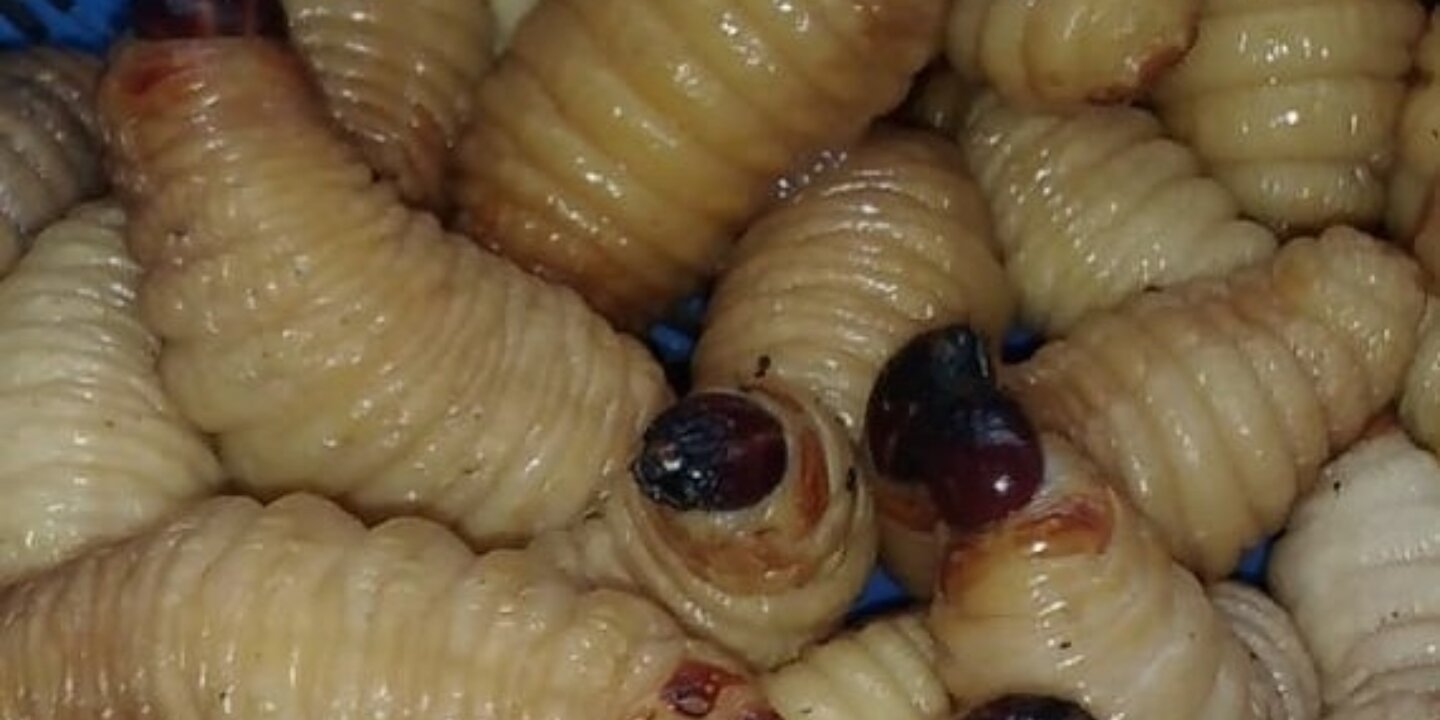
palm weevil
Eating insects fill some minds with revulsion and for some others it brings back refreshing memories. The category one falls in depends on where you grew up and on earlier exposure to insects as food or snacks. Here is a blog from Ogeri Rosemary Idika, a researcher from Nigeria who shares first hand experience and her expectations about this source of proteins.
Growing up, I got used to see people eating insects, especially when travelling to the village. While I was not adventurous enough to try it out myself, I still recall the excitement exhibited by my fellow playmates when harvesting and cooking and eating insects.
As an adult, I traveled to Maiduguri in Borno State and noted grasshopper being fried and sold commercially. Every day I see people line up to buy these insects! My curiosity was aroused one day my sister actually bought these insects and was eating them with such excitement I was cajoled to try it out, which I did! To tell you the truth, through out my stay in Maiduguri, I became a regular customer of the fried grasshopper seller, popularly called “Maidugiri Meat” or Fara in local parlance!
On another occasion, I attended a lecture about the different insects eaten in various parts of Nigeria. These edible insects are good sources of protein, which is important as protein malnutrition causes kwashiorkor and marasmus, two main public health concerns in Nigeria. Chronic malnutrition affects 11% of the population, including 2 million children. Protein-rich food items such as fish, meat and eggs are quite expensive. There are different types of insects on the budget menu in Nigeria, including: Stem girdler, Rhinoceros beetle, Dung beetle, Palm weevil, Yam beetle, Stink bug, Termites, African silkworm, Emperor moth, Pallid emperor, Giant African cricket, Cricket, Short-horned grasshopper, Grasshopper and Mole cricket. These insects are highly nutritious and contain proteins, fats, vitamins, fibres and minerals. content which is comparable to animal nutritional composition.
So, insects as a cheap source of proteins are good news! What is needed is to produce the insect proteins in the quantities demanded by consumers. Insect rearing should be studied as a matter of urgency. We should also look into insect processing, packaging, retail and consumer preferences. For this edible insect industry to grow, nutrition education for youth also needs attention.
In short, what if one is offered a bowl of insects? In my future, one day we will just share the food and exchange recipes.
Sources:
https://www.uniceforg/nigeria/nutrition
https://www.researchgate.net/figure/Commonly-eaten-insects-in-Nigeria_tbl2_274654200
Author

Ogeri Rosemary Idika
e-course 2023 participant