E-course FST blog: School Feeding is foundational to achieving SDGs in Developing Nations.
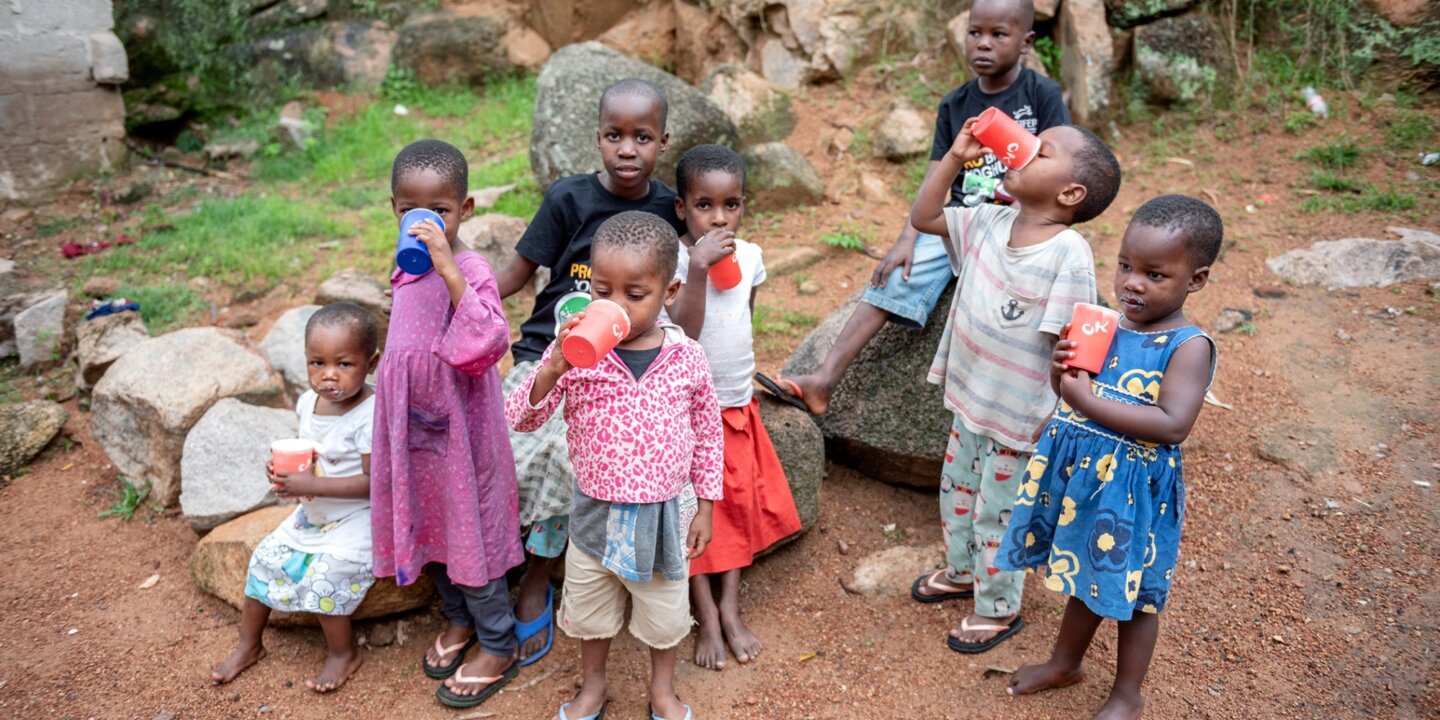
Afiniki Ahmadu, an agribusiness advisor from Abuja, Nigeria writes why school feeding and providing healthy school meals should not only be about the poor and vulnerable children in the community. According to Afiniki, school feeding is more than providing healthy diets for children from poor and vulnerable backgrounds. School feeding also offers a learning experience for the next generation.
One way to experience “home away from home” would be in the nutritious feeding a child gets from school. School feeding is nourishing young children to promote enrolment, attendance, improved academic performance, and school completion. In my country Nigeria, school feeding is making a comeback with the Government establishing it as “a safety net for the poor, increasing enrollment, and eradicating malnutrition in school-age children while also stimulating the national agricultural economy". Nutritious feeding in the first three years of life is particularly important due to its role in lowering morbidity and mortality, reducing the risk of chronic disease throughout their life span, and promoting regular mental and physical development of children. School meal benefits also extend to the families of beneficiaries and to whole communities by boosting vulnerable families' disposable income by about 10 % and by creating jobs in food production, trade logistics and preparation.
School feeding should not only be about the poor and vulnerable in the community. It should concern all children. The Food System is a dynamic multidisciplinary sector that affects and is affected by all. So inculcating the interconnectedness of the Food Systems into the minds of these young children will result in safe, nutritious food systems when they are caught young. They will grow to appreciate the systems that contributed to them and they would naturally give back to it. UNICEF reported that “over 1.3m girls drop out of school annually”. Girls’ primary school completion rate is far below that of boys, at 76% compared with 85% for boys. Within many households, women and girls have less access to available food. From the gender-focal point of view, school feeding will provide adequate nutrition to the girl child and the mother will have adequate time for other productive pursuits.
School gardening can be promoted on a low scale for practical purposes. Smallholder farmers, SMEs, and other value chain actors within the community should be encouraged to form viable market systems and governance structures like a cooperative. It would promote healthy Food systems practices amongst the various actors. With advantages come some disadvantages. When it comes to school feeding, it’s invariably the Government that is burdened with other responsibilities. Children of such age have incessant requests and are almost hard to pacify. Wastes are among the challenges identified with school feeding. Some children are picky in eating, some have neophobia (refusal to eat new foods), dislike certain food textures or food groups vegetables, and are simply not eating enough. In some cases, parents report that their children have allergies to certain kinds of food.
Overall, school feeding when adequately done would foster unity amongst children and inculcate elements of the food systems and how it is interlinked with other systems. The impact on the education and health sectors will accelerate and with a lifetime impact. The government needs to be supported by INGOs, partners, and stakeholders to strengthen the school feeding scheme to ensure the benefits are realised.
Author

Afiniki Ahmadu
e-course FST 2023 participant