Data Sharing in Agriculture - Event Recordings
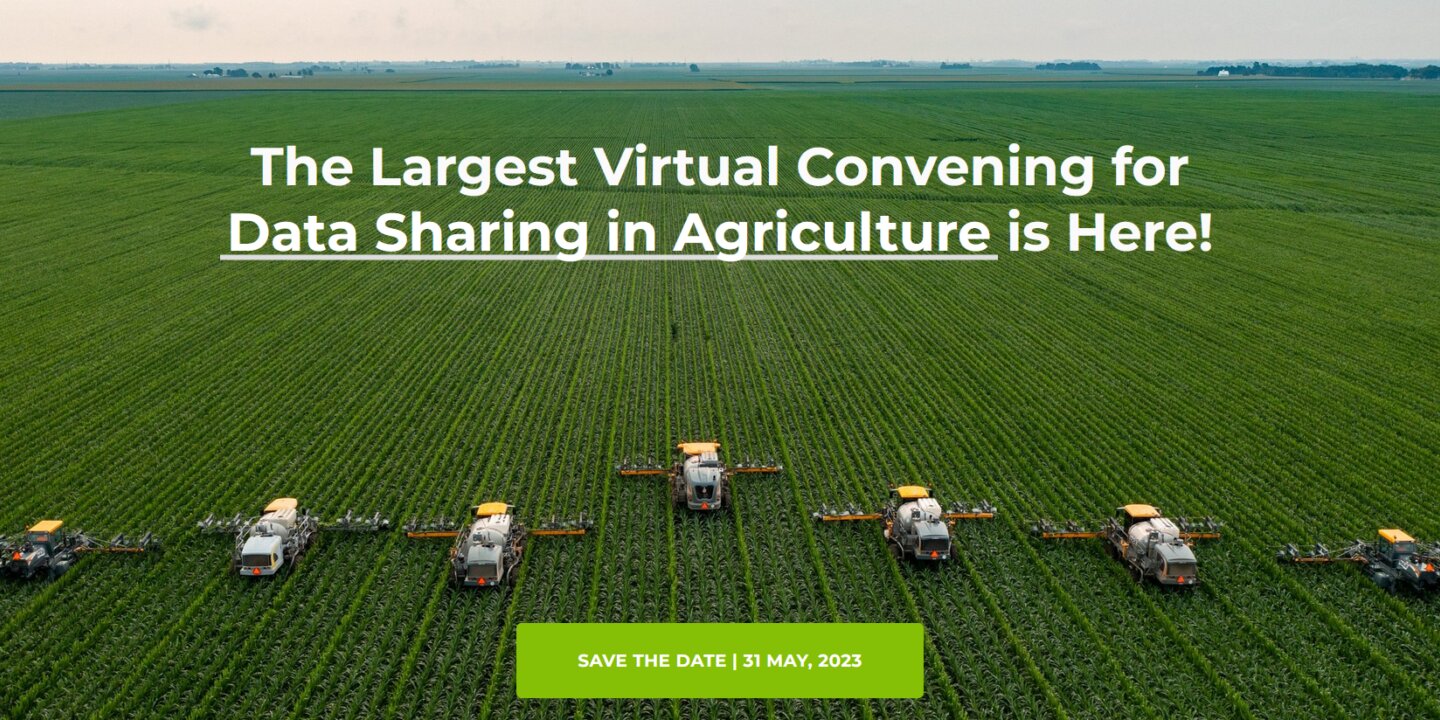
The virtual conference Data Sharing in Agriculture: Unlocking its Potential for Smallholder Farming initiated a sector-wide discussion on the optimization of data collection, management, storage, and analysis in agriculture through voluntary data sharing. The ultimate goal of this initiative is to ensure that smallholder farmers benefit from this optimization process. The Digital Ecosystems Coalition for Empowering Smallholder Farmers and Intellecap, the core partners of this event, believe that facilitating data sharing will provide several benefits to agriculture sector stakeholders, with a significant portion of these benefits being passed back to smallholder farmers.
Session 1 | From Data Silos to Data Sharing: Maximizing the Value of Your Data in Agriculture
There has been a growing emphasis on the digitalization of agriculture and agricultural processes over the last decade. Consequently, today, organizations across the globe are managing their own data pools, often resulting from significant duplication in resources for data collection, management, storage, and data analysis. However, as digitalization increases in agriculture and supply chains become more interconnected, it is important to explore the value data sharing can bring, especially for smallholder farmers. There are likely to be several benefits of data sharing in agriculture.
To kick off this learning event, we will start with a fireside chat to evaluate how Data Sharing can maximize the impact of data for agriculture and smallholder farmers.
Session 2 | Uniting for Agricultural Data: A Coalition for Collective Learning
At the UN Food Systems Summit, a group of stakeholders closely working with smallholder farmers, including IDH, IFAD, ISEAL, NFP, Rabobank, and Syngenta Foundation, united to empower producers in emerging economies. The coalition comprised members with diverse strengths but shared the common belief that the benefits of digitalization and data in agriculture should be fairly distributed among smallholder farmers.
In 2022, the coalition, now known as the Digital Ecosystems Coalition for Smallholder Farmers, took the decision to support sector stakeholders in optimizing data for agriculture and smallholder farming by promoting farmer-centric data sharing. The decision was based on multiple consultations with farmer-focused organizations from across low and middle-income countries. This panel discussion will highlight the coalition's objectives, its understanding of the benefits of data-sharing, plans for promoting data-sharing, and also seek collaborative action to promote data-sharing in agriculture.
Session 3 | Back to the Basics: Data Standards and the Smallholder Profile
With the growing transition to digital agriculture, data is being generated and consumed at an unprecedented rate, and without a set of agreed-upon data standards, it can be difficult to share, compare, and learn from data across organizations and regions. There are several potential benefits of having agricultural data standards. For instance, having data standards can promote interoperability across different systems and technologies. This is particularly important in the agriculture sector, where there are a wide variety of different data sources and new technologies are being developed daily.
This panel discussion will evaluate the role of data standards in agriculture and will start with one of the most important data sets that is collected for agriculture programs: the smallholder profile.
Session 4 | Harvesting Insights: Data Collection Methods for Modern Agriculture
A pre-requisite to efficient data sharing is efficient data collection, however, today collecting smallholder farmer data is very expensive. The high costs are attributed to several reasons. When it comes to manual data collection, collecting data requires on-farm visits. This is normally a time-consuming process and requires significant investments. There are then additional costs related to keeping the data updated. Using digital tools to collect data also requires investments in assets and last-mile capacity building. At the same time, satellite imagery and drones may be used to gather information about crop yields, soil moisture levels, and other factors impact smallholder farmers. The cost of these tools, as well as the cost of training staff to use them, however, can be expensive, especially in the context of smallholder farmers.
This workshop is hence aimed at identifying best practices in agricultural data collection, and will also evaluate the enabling environment that is required for smallholder farmer data collection and storage. The workshop will also evaluate if there is potential for pre-competitive collaboration in agricultural data collection.
Session 5 | Safe and Secure: Ensuring Data Security and Sovereignty for Farmers
With the increasing digitization of the agriculture sector and the resulting generation of large amounts of digital information or "data" has various implications for smallholder farmers and other stakeholders in the agriculture ecosystem. With the creation of more structured data, smallholder farmers will get the opportunity to access efficient and innovative services to help improve their operations; however, constraints around control over the data and its usage is an imminent threat. Low data sovereignty and security of farmer data in agricultural value chains may lead to distrust and animosity between the farmers, data providers and data receivers.
There are three types of interventions – indirect, intermediary, and direct – that can be undertaken to strengthen farmer control over data. With increasing collaboration through data sharing between the different stakeholders, we will explore various models that are already implementing data sovereignty and security interventions either through indirect, intermediary, or direct interventions.
Session 6 | Open Data, Open Opportunities: The Role of Public-Private Partnerships
Open data refers to the concept of making data available for access and use to anyone without any financial or legal barriers. Such open data platforms can have several benefits for agriculture and value chain actors. For instance, there are examples in South Korea where open data platforms have been used by technology service providers to train predictive crop health models. Similarly, by leveraging open data platforms focused on soil health or weather, farmers can potentially understand the agricultural practices, crops, and inputs that are most suited to their land parcels. Given the recognition of such open-data platforms, Governments across emerging economies are exploring how they can best develop open-data platforms for agriculture. However, developing open data platforms can have several challenges and may require collaborative action from agriculture sector stakeholders.
This panel discussion will explore synergies between the private and public sectors in developing open-data platforms for agriculture and food systems.
Session 7 | From the Ground Up: Redesigning Data Governance with Farmers in Mind
Data Governance in the context of farmers establishes the process and rules for managing the collection, storage, use and sharing of data generated by farmers or related to the farmers. Today, Governance of agricultural data is not farmer centric but often extractive, where farmers generate and share data but have little control over how it is further used and who benefits from out of it. Farmers also do not have clear ownership over the data that they generate. Even when farmer consent is taken, most consent forms are broad and hardly explain the purpose of data collections and associated risks to farmers, if any. On the positive, there are today, several new models of data governance that ensure that benefits of data sharing are fairly distributed with the smallholder farmers and other value chain actors.
Models such as data cooperatives, data trusts, or even using village level entrepreneurs as data stewards are being piloted. Similarly, technologies such as blockchain has demonstrated the potential to empower smallholder farmers by ensuring them power to provide decentralized access to data. Building on these examples, this panel discussion would explore how data governance models in agriculture can be transformed for ensuring the benefits of digitalization and data-driven initiatives in agriculture are shared with the famers.
Session 8 | The Power of Together: Learning from Innovative Models on Data-Sharing
This session will highlight success stories on Data-Sharing in agriculture and allied sectors.
Session 9 | The Way Forward
This session brings together the insights from the entire conference day to explore implications and define ways foward
Author

Rojan Bolling
Knowledge broker