Kenyan delegation visits the Netherlands: Beatrice Owiti reflects on food losses in the Avocado sector in Kenya
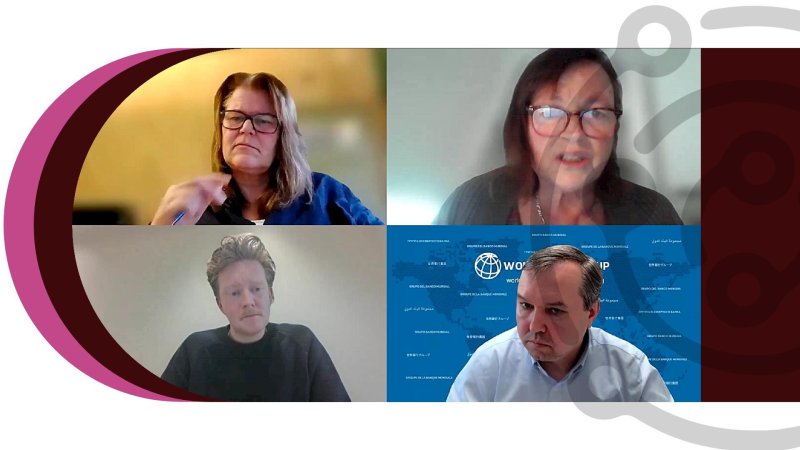
Dr. Beatrice Owiti, a lecturer from Meru University of Science and Technology, was recently in the Netherlands as part of the FORQLAB delegation from Kenya.
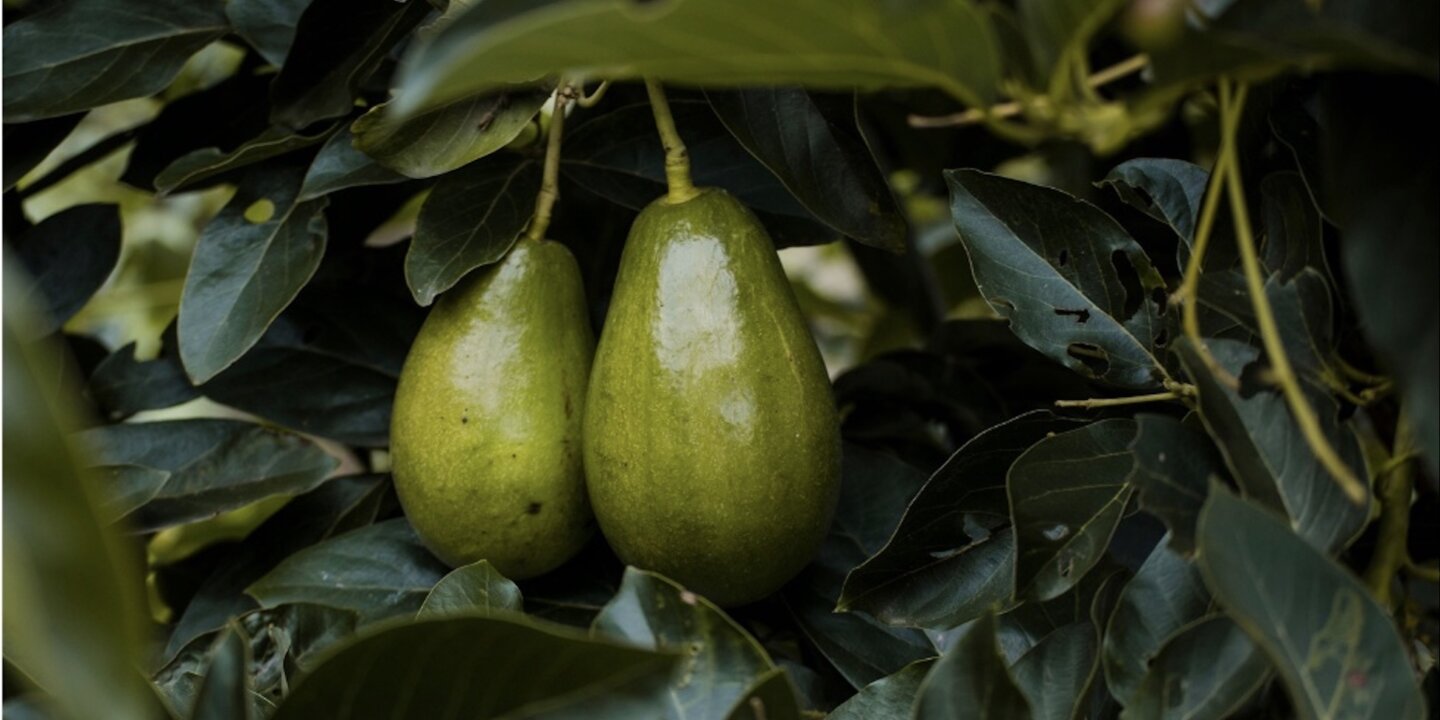
Kenya is still grappling to achieve SDG Goal 2: Zero Hunger. Food insecurity and malnourishment plague millions of Kenyans every day. An estimated one in three Kenyans is food poor, which translates to 33% of the population.Food losses in the avocado value chain in Kenya is also a major concern. It is estimated that 40-50% of avocados harvested do not reach the consumer.
Seeking to address this challenge, Beatrice Owiti, a lecturer from Meru University of Science and Technology, was recently in the Netherlands as part of the FORQLAB delegation from Kenya. The delegation which visited the Netherlands between 14th-24th June, consisted of Alexander Kahi, Wilson Karimi and Tobias Okeno from Egerton University. Other members were: Romanus Odhiambo from Meru University of Science and Technology(MUST). The team visited different partners and stakeholders in fact finding missions and also to share and learn from each other.
Beatrice gave a presentation on the opportunities and challenges in addressing food losses in the avocado sector based on MUST working in the FORQLAB project directly with four cooperative societies namely: Mt. Kenya Avocado Growers’ Cooperative, Mt. Kenya Abogeta East Avocado Growers’ Cooperative, Abothuguchi Avocado Growers’ Cooperative and Nandi Cooperative Society.
In her presentation Beatrice noted that some of the main causes of food losses in the avocado value chain in the cooperative societies they worked with include: Poor seedlings-where farmers failing to get seedlings from the correct venders and ending up with the wrong variety for instance, a Nandi farmer who learnt it was the wrong type after 3 years when the tree matured.
There is also an inability to use correct farming methods e.g. not pruning trees correctly leading to the trees putting more effort in production of leaves rather than fruits. Another challenge is Poor pest control: leading to diseases that affect the fruit. In addition to these,poor harvesting techniques leading to bruising during harvesting has also been identified as a challenge.
After harvesting challenges encountered include poor storage. Some farmers harvest the avocados and store them on floors while the fruits are heaped together. Many of the production zones do not have cooling facilities and even grade 1 avocados get spoilt after harvest. Farmers often use whatever means available for the transportation of avocado. This includes use of donkeys, bicycles, pickups, lorries. The fruit then is moved for a long distance contributing to bruising.
FORQLAB in partnership with MUST addresses these challenges by building and maintaining networks for supporting the farmers. Using research by students to highlight food loss problems and give solutions that are research based. They are also active in training farmers and sensitization of stakeholders in the value chain.
Exchange visits such as the one Beatrice was part of which helps to crucial research areas to disseminate research findings.
Beatrice notes that the interventions led by FORQLAB are beginning to bear fruits. She says the Nandi cooperative society has made good progress since they started working with FORQLAB.
Changes are happening, it is slow but is is happening- Beatrice Owiti
Author

Ken Owino
NFP Communications